The Ultimate Guide to Blind Box Scale Weighing, Secret Odds & Gram Tolerances
Master the statistical approach to securing chase variants using calibrated jeweler scales, density analysis, and factory tolerance margins.
 86.5g Secret
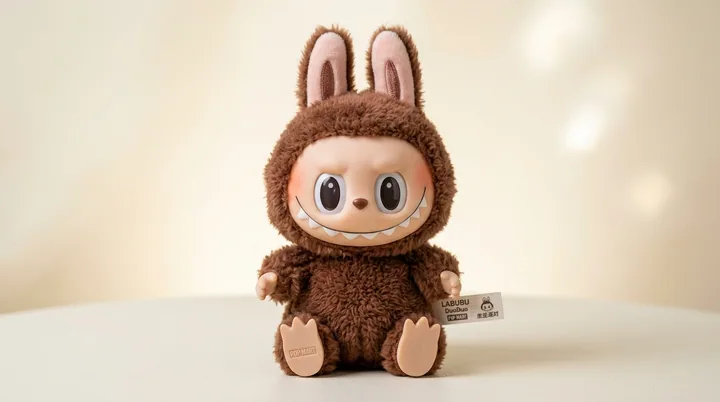 98.2g Chaser
The allure of the blind box collectible lies in the mystery, but for serious collectors chasing a 1:72 or 1:144 secret figure, relying purely on random chance is an expensive endeavor. Enter the science of scale weighing: a meticulous, collector-tested methodology for identifying sealed blind box figures based on microscopic differences in mass, plastic density, and accessory volume.
Before heading into retail stores, always consult our verified blind box scale database to cross-reference gram baselines and standard deviations across popular series.
1. The Physical Science Behind Weight Discrepancies
Why do sealed blind boxes have different weights when the packaging is identical? The answer lies in the mechanical engineering of toy production:
- 1Volume and Geometry: Different character designs require distinct volumes of injection-molded PVC (Polyvinyl Chloride) and ABS (Acrylonitrile Butadiene Styrene). A character with an oversized helmet or extended cape naturally displaces more resin than a slender character.
- 2Accessory Count and Materials: Certain chase figures include secondary cast-iron counterweights, translucent resin props, or flocked capes that add anywhere from 4.2g to 18.5g of net mass.
- 3Internal Packaging Variables: Each sealed box contains the vinyl figure, an airtight metallized foil bag, a collector card, a desiccant silica gel pouch (0.8g to 1.2g), and structural cardboard reinforcement. While packaging materials introduce a baseline variation of ±0.4g, the character body differential is almost always substantial enough (typically Δ > 2.5g) to distinguish unique sculpts. For an in-depth breakdown of non-toy materials, see our study on tare weight and silica gel variance.
2. Collector Equipment Selection & Calibration Protocol
Standard kitchen scales (which measure in whole 1.0g increments) are completely useless for blind box analysis. A variance of 0.8g can mean the difference between a common standard figure and a $250 secret variant.
Recommended Digital Scales for Collectors
- Gemini-20 Precision Milligram Scale (0.001g resolution): The gold standard for micro-accessories and lightweight vinyl lines like Sonny Angel. Extremely sensitive to air currents; requires testing with a draft shield.
- AWS Series 100 (0.01g resolution): The best all-around portable scale for Pop Mart, Skullpanda, and Hirono boxes up to 100g. Features stable strain-gauge load cells with rapid settling times.
- Smart Weigh Pro Dual-Platform (0.01g / 0.1g): Ideal for larger Master Boxes and multi-figure vinyl packs exceeding 200g.
The 4-Step Pre-Session Calibration Protocol
- 1Environmental Stabilization: Place the scale on a granite or dense hardwood surface. Avoid operating near air conditioning vents, fans, or vibrating appliances.
- 2Thermal Equilibrium: Power on the digital scale and let the internal strain-gauge sensors warm up for 60 seconds before taring. Review our environmental drift calibration guide for thermal stabilization rules.
- 3Standard Test Mass Validation: Place an ASTM Class 4 certified 50.00g calibration weight on the platform center. Verify that the reading sits strictly between 49.99g and 50.01g.
- 4Draft Shield Isolation: For figures weighing under 50g (such as Sonny Angel), always engage a transparent draft enclosure to prevent air velocity drift.
3. Step-by-Step Box Weighing Methodology
Follow this repeatable experimental process to record baseline measurements:
- 1Initial Inspection: Check the outer shrink wrap for tears, taped seams, or double-sticker layers that could artificially distort tare weight.
- 2Center Positioning: Place the blind box vertically on the exact center of the scale plate to avoid corner-load hysteresis errors.
- 3Settling Time: Allow 3 to 5 seconds for the digital strain gauge to stabilize before recording the final gram reading.
- 4Combined Acoustic Check (The "Controlled Shake"): Gently tilt the box along the vertical axis. Notice whether you hear a sharp plastic click or a dull thud, as outlined in our acoustic shake testing guide.
- 5Cross-Reference Against Baseline Tables: Look up the recorded gram reading in our verified scale database, applying the ±0.5g environmental tolerance window.
4. Factory Batch Variations and Tolerance Windows
One of the biggest pitfalls for new scale weighers is ignoring factory production batches. A figure manufactured in Pop Mart's Dongguan facility (Batch A) may weigh 88.2g, while the same figure produced in a Vietnam facility (Batch B) with slightly adjusted PVC filler ratios may weigh 89.1g. Always record the batch code embossed on the bottom cardboard seal before comparing readings.
When evaluating close matchups where two candidate figures share overlapping weight intervals (Δ < 0.6g), do not rely on scale weight alone. Combine your weight measurements with secondary physical checks such as center-of-gravity balance tilts and packaging shake resistance. Responsible collectors should also practice proper store manners as outlined in our retail store box searching ethics guide.
5. Statistical Error Mitigation & Common Pitfalls
- The Single-Box Fallacy: Never assume a single published weight applies universally across all factory production runs. Cross-reference measurements with multiple community records in our blind box scale database.
- Desiccant Hydration Noise: Silica gel packets absorb atmospheric humidity over time, increasing baseline packaging tare by 0.20g to 0.45g in tropical or humid climates. Read our dedicated guide on tare weight variance and silica gel absorption.
- Acoustic Confirmation: For figures with overlapping weight intervals (separated by less than 0.8g), always combine scale readings with acoustic shake testing to evaluate internal rattle resonance and center of gravity.
| Scale Model | Precision | Pros | Cons |
|---|---|---|---|
| Gemini-20 Milligram | 0.001g | Collector grade accuracy; detects 10mg foil variations | Requires draft shield; max 20g capacity without tare cup |
| AWS Series 100 | 0.01g | Pocket size, rapid stabilization, 100g capacity | Auto-shutoff timer can be aggressive during long sessions |
| Standard Kitchen Scale | 1.0g | High maximum capacity (5000g) | Unusable for blind boxes; rounding errors hide chase variants |
Collector Frequently Asked Questions
Can I use a standard digital kitchen scale to weigh blind boxes?
No. Kitchen scales typically have a 1.0g resolution with a ±1g error margin. Blind box figure variations between common figures and secret chase variants are often as narrow as 0.3g to 0.7g. You need a jeweler scale with at least 0.01g precision.
Does the silica gel desiccant packet affect the box weight?
Yes. Sealed blind boxes include a small silica gel pack that weighs between 0.8g and 1.2g. In high-humidity environments, silica gel absorbs moisture over time, potentially increasing box tare weight by 0.2g to 0.4g. Always compare boxes from the same display case.